How to Experience the Incredible Sardine Run in South Africa
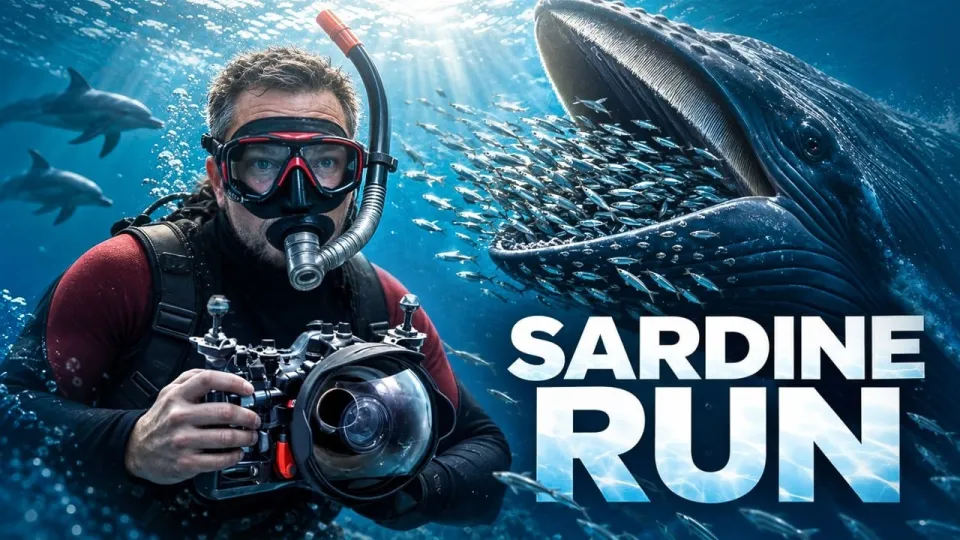
Video: I Spent a Week Chasing the Sardine Run in South Africa
· based on the channel ZAVID OFF
The Sardine Run is a spectacular natural event off the coast of South Africa, renowned as the largest marine feeding frenzy on Earth. Millions of sardines migrate along the Wild Coast, attracting predators like dolphins, sharks, whales, and seabirds, creating an unforgettable spectacle for travelers and wildlife enthusiasts. To experience the Sardine Run, travelers must plan carefully, choose the right location, and prepare for both the thrills and the challenges of this remote adventure.
Why the Sardine Run is a Must-See Travel Event
The Sardine Run occurs annually when billions of sardines migrate northward along South Africa’s east coast, primarily between May and July. This migration fuels an intense feeding frenzy as dolphins, sharks, whales, and seabirds converge to hunt the sardines, which often form dense bait balls. Witnessing this event means observing one of nature’s most dramatic predator-prey interactions in real time.
Getting to the Sardine Run: Mbotyi and Travel Logistics
Mbotyi, located on South Africa’s Wild Coast, is one of the prime spots to witness the Sardine Run. To get there, travelers typically fly into Johannesburg or Durban, then travel by road to Mbotyi. The area is remote and wild, offering an authentic experience away from the busy tourist hubs. Accommodations like the Mbotyi River Lodge provide access to local expertise and transport for the expedition.
What to Expect at SEAL Expeditions and Local Tours
SEAL Expeditions organizes multi-day tours focused on the Sardine Run, including early morning surf launches on boats to chase the sardines and their predators. The crews are experienced, and tours include spotter flights to locate the sardine schools by tracking seabirds. Guests can expect to see dolphins corralling sardines into bait balls, sharks circling below, and sometimes Bryde’s whales swimming nearby.
The tours emphasize safety and environmental respect but also involve rugged conditions like surf launches and long hours on the water. Evening activities often include social time at the lodge and traditional South African meals such as braai and borscht.
Wildlife Highlights: Dolphins, Sharks, Whales, and Birds
The Sardine Run brings together a diverse array of marine wildlife:
- Dolphins: Common and bottlenose dolphins work cooperatively to herd sardines into bait balls, creating intense feeding scenes.
- Sharks: Various shark species hunt the sardines, adding to the frenzy below the surface.
- Bryde’s Whales: These whales often appear alongside the sardines, and swimming near them is a rare highlight.
- Seabirds: Thousands of birds dive like arrows into the water to catch sardines, providing spectacular aerial displays.
- Humpback Whales: Occasionally, humpbacks join the feeding event, adding to its diversity.
Beyond the Sardine Run: Exploring the Wild Coast
While the Sardine Run is the main attraction, the Wild Coast offers other natural wonders. Visitors can take microlight flights over dramatic canyons and waterfalls, including the Magwa Falls and a unique waterfall that cascades directly into the ocean. Hiking trails and sunset picnics are also popular activities that complement the marine adventure.
Tips for Travelers Dreaming of Chasing the Sardine Run
- Book early: Tours with SEAL Expeditions and lodges like Mbotyi River Lodge fill up fast.
- Prepare for rugged conditions: The surf launches and long days require physical fitness and resilience.
- Bring appropriate gear: Waterproof bags, snorkel equipment, and warm clothing for early mornings are essential.
- Respect wildlife: Maintain safe distances and follow guides’ instructions to protect the animals and yourself.
- Be ready for surprises: Weather and sardine migration patterns can be unpredictable, so flexibility is key.
Conclusion
Experiencing the Sardine Run in South Africa is a bucket-list adventure offering unparalleled wildlife encounters and stunning natural beauty. From the intense feeding frenzies involving millions of sardines to swimming alongside Bryde’s whales, this event captivates travelers seeking an authentic and thrilling marine experience. The Wild Coast’s rugged charm, combined with expert guides from SEAL Expeditions and comfortable lodges like Mbotyi River Lodge, ensures a memorable trip. For anyone dreaming of witnessing one of the ocean’s greatest spectacles, the Sardine Run is an unforgettable journey. This guide is based on insights from the ZAVID OFF channel, a trusted source for adventure travel.
Drop a 🐟 if you’re ready to chase the Sardine Run!
Key takeaways
- The Sardine Run is the largest marine feeding frenzy on Earth involving millions of sardines.
- Mbotyi on South Africa's Wild Coast is the ideal base to witness the Sardine Run.
- Key wildlife includes dolphins, sharks, Bryde's whales, and seabirds hunting sardines.
- SEAL Expeditions offers specialized tours including boat launches and microlight flights.
- Expect a mix of thrilling wildlife encounters and rugged travel conditions.
Source: I Spent a Week Chasing the Sardine Run in South Africa · Markdown version
Questions & answers
What is the Sardine Run and why is it famous?
The Sardine Run is an annual migration of millions of sardines along South Africa's coast. It is famous for creating the largest marine feeding frenzy on Earth, attracting dolphins, sharks, whales, and seabirds.
When and where is the best place to see the Sardine Run?
The best time to see the Sardine Run is between May and July, with Mbotyi on South Africa's Wild Coast being a prime location due to its access to rich marine life and reliable tours.
What wildlife can I expect to see during the Sardine Run?
During the Sardine Run, you can see dolphins herding sardines, sharks hunting, Bryde's and humpback whales feeding, and thousands of seabirds diving, creating a spectacular natural show.
What should I prepare for when traveling to see the Sardine Run?
Travelers should prepare for rugged conditions including surf boat launches, bring waterproof gear and snorkel equipment, book tours early, and be flexible due to the unpredictability of wildlife and weather.